Estimated reading time:
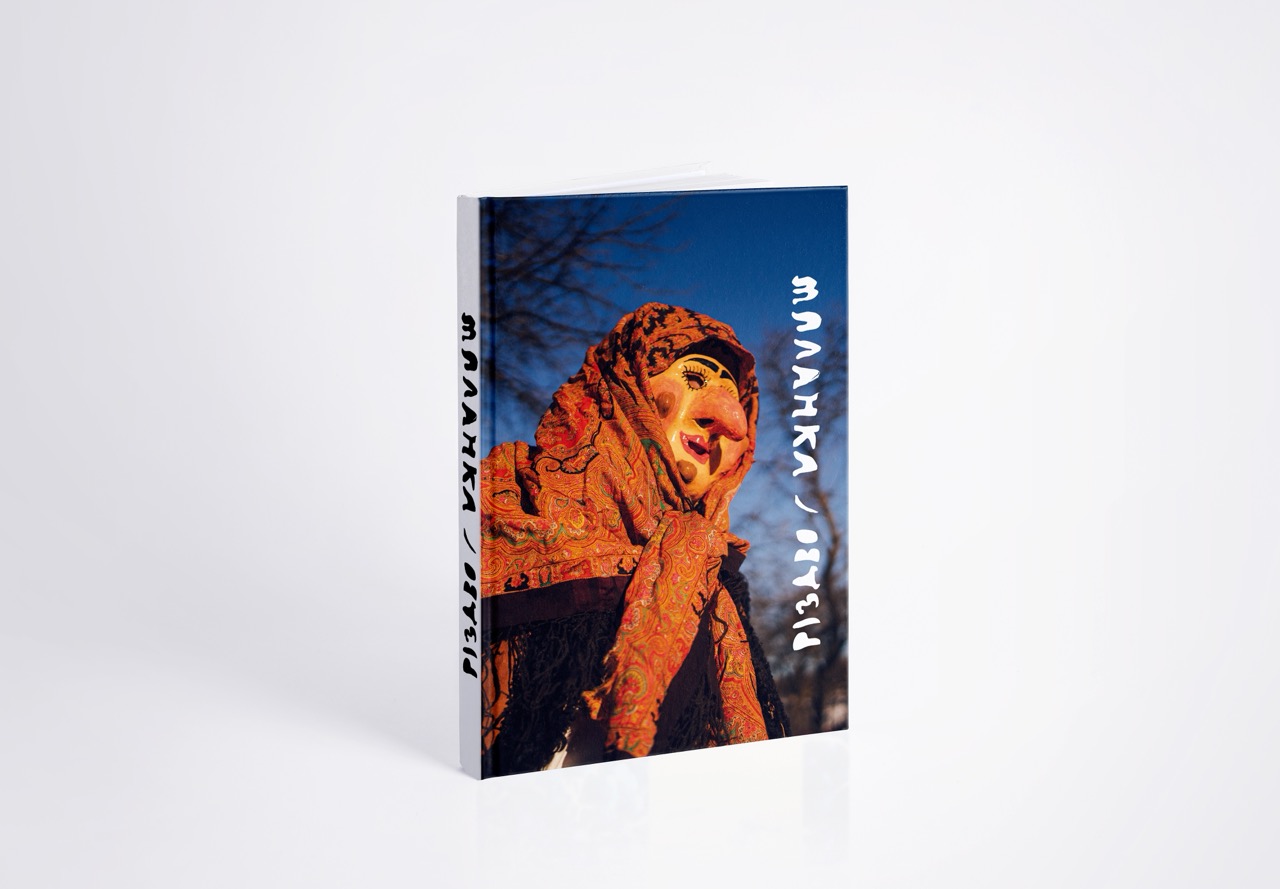
This flipbook first appeared in 2022. It brings together the Christmas and Malanka traditions of Polissia, Halychyna, Bukovyna, Podillia, Bessarabia, Poltavshchyna, the Carpathians and Slobozhanshchyna. It is a record of a living tradition. In the winter of 2021–2022, an anxious and uncertain time, our teams set out on a large-scale expedition and found that the tradition had not been broken. Across Ukraine, we saw carolling and Malanka still being practised, remembered and reinvented. We did not set out to write a textbook or to tell anyone how to celebrate. We set out to record how these holidays are actually lived, as they happen.
The result is an illustrated guide to Christmas and Malanka rituals in the regions of Ukraine where these traditions are best preserved. Its pages are filled with costumes, characters and scenes from the vertep (a travelling nativity play) and from Malanka, for you to explore at your leisure. You will also find carol lyrics to use in your own vertep this festive season.
Since the start of the full-scale invasion, Ukrainians have been debating whether it is right to celebrate in wartime. This book shows that celebrating is not just about merriment; above all, it is about preserving and renewing a tradition that is under constant threat in Ukraine.
The book focuses on two major holidays: Christmas and Malanka. Malanka’s roots are largely pre-Christian. Street carnivals and night-time revelry, loud songs and pounding rhythms, fantastical costumes and masks, mockery and rituals to ward off misfortune. And alongside all this, wishes for a good New Year, exchanged among the revellers and offered to the households they visit. All of it blends into the vibrant spectacle of Malanka.
Christmas, in turn, is a family holiday for Christians across Ukraine. It brings generations together and has its familiar symbols: kutia (a sweet wheat-berry dish), carols, the vertep, the Christmas star. Yet in some regions, the Christmas rituals that have survived are truly astonishing. One example is the spectacular “Moshu-n dyal” ritual in Orlivka, Bessarabia. For over a century, long before Ukraine officially moved Christmas to 25 December in 2023, the villagers here have celebrated it on 25 December rather than 7 January. They explain this not by the difference between church calendars but by their history. In Soviet times, when open observance of religious holidays was forbidden, the people of Orlivka held their street ritual on dates when no police patrolled the village. This is how they preserved a unique tradition.