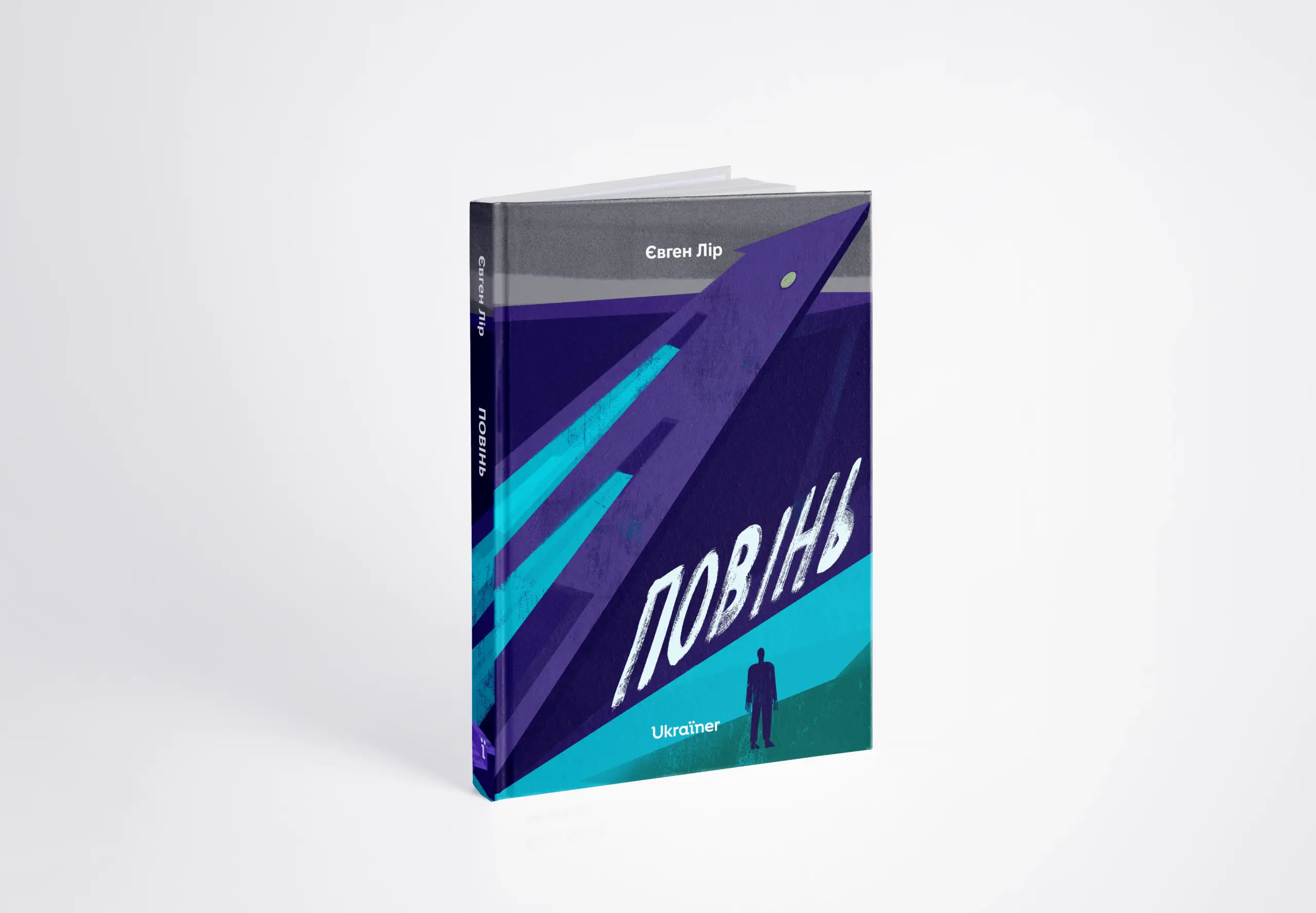
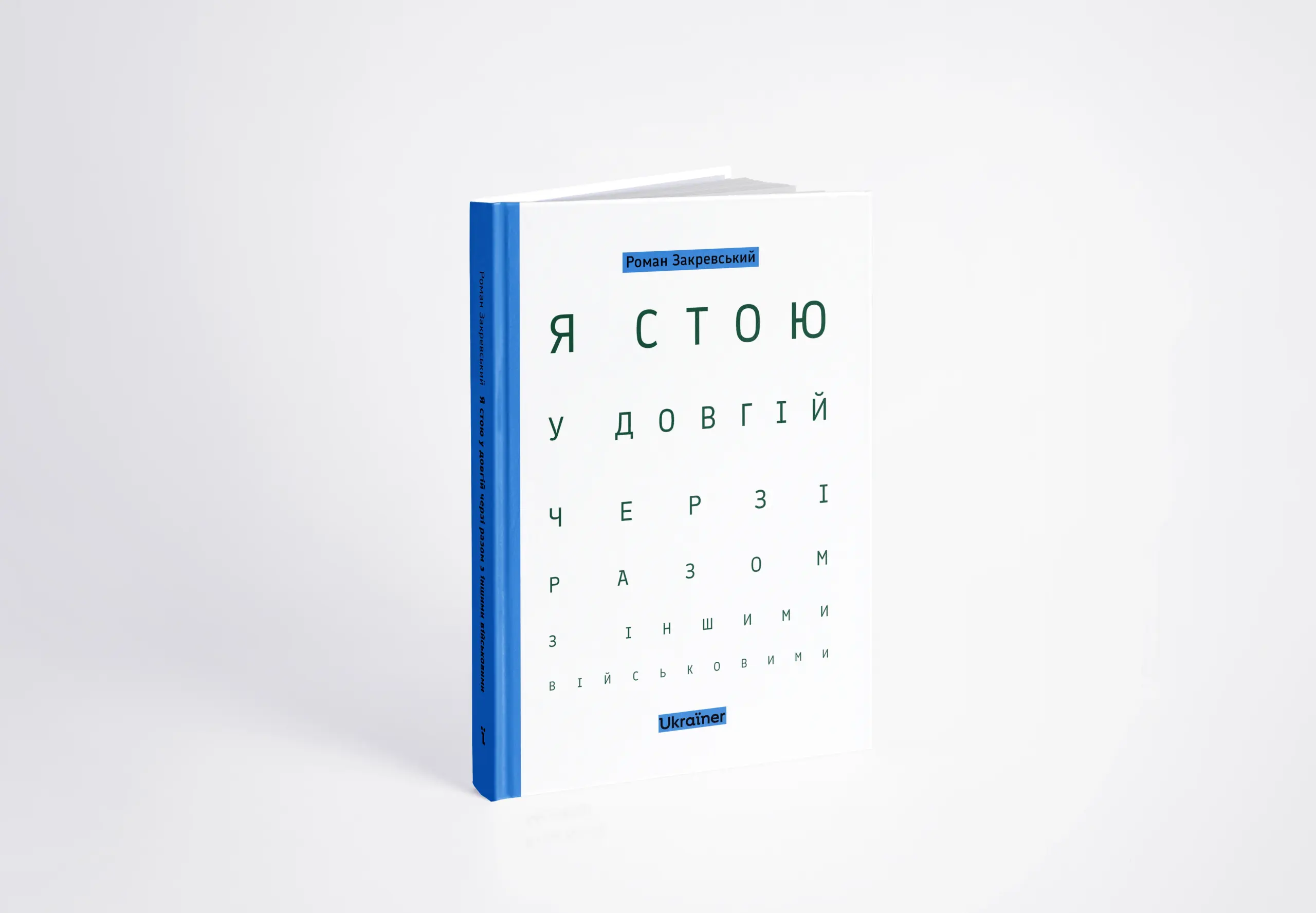
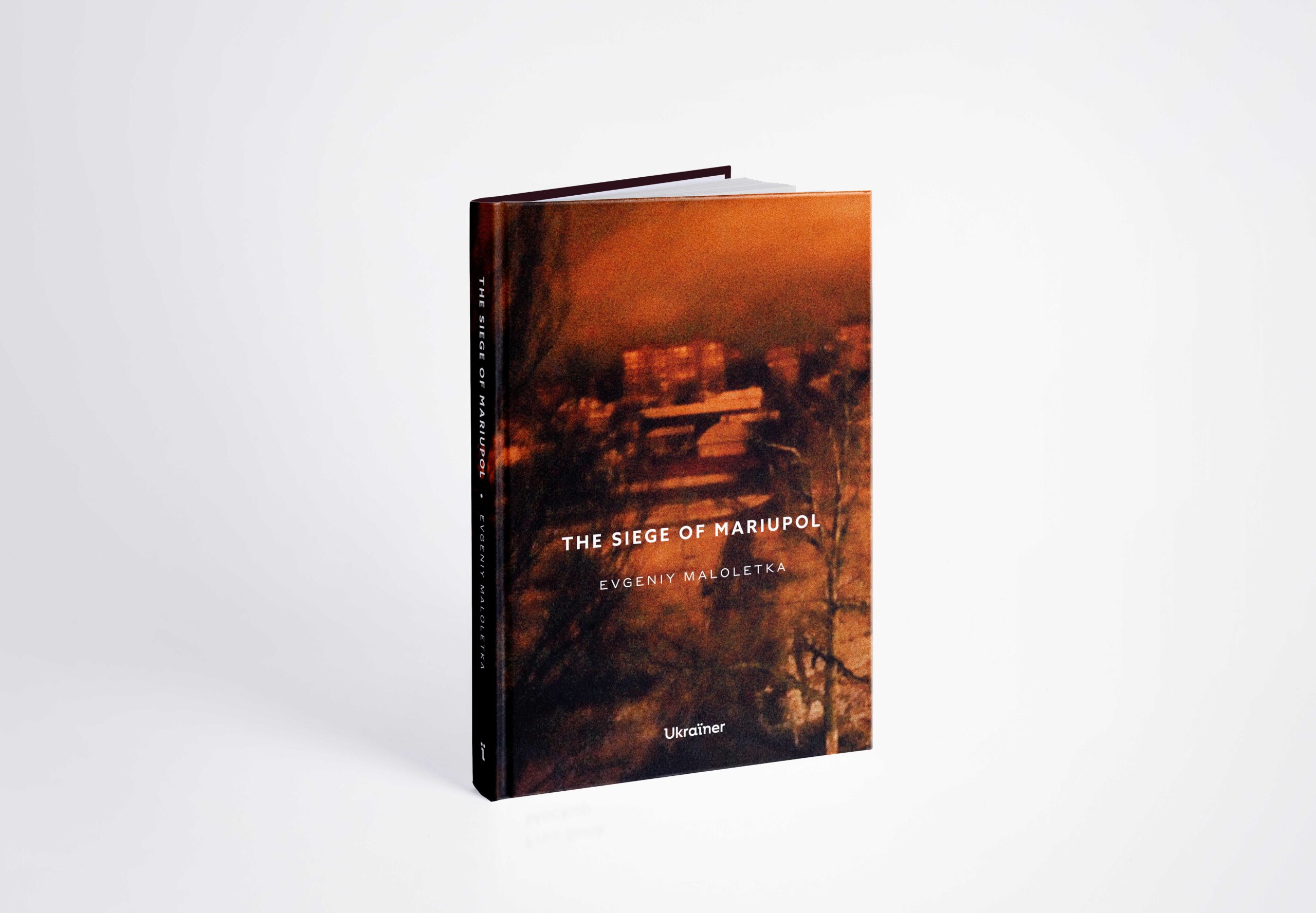
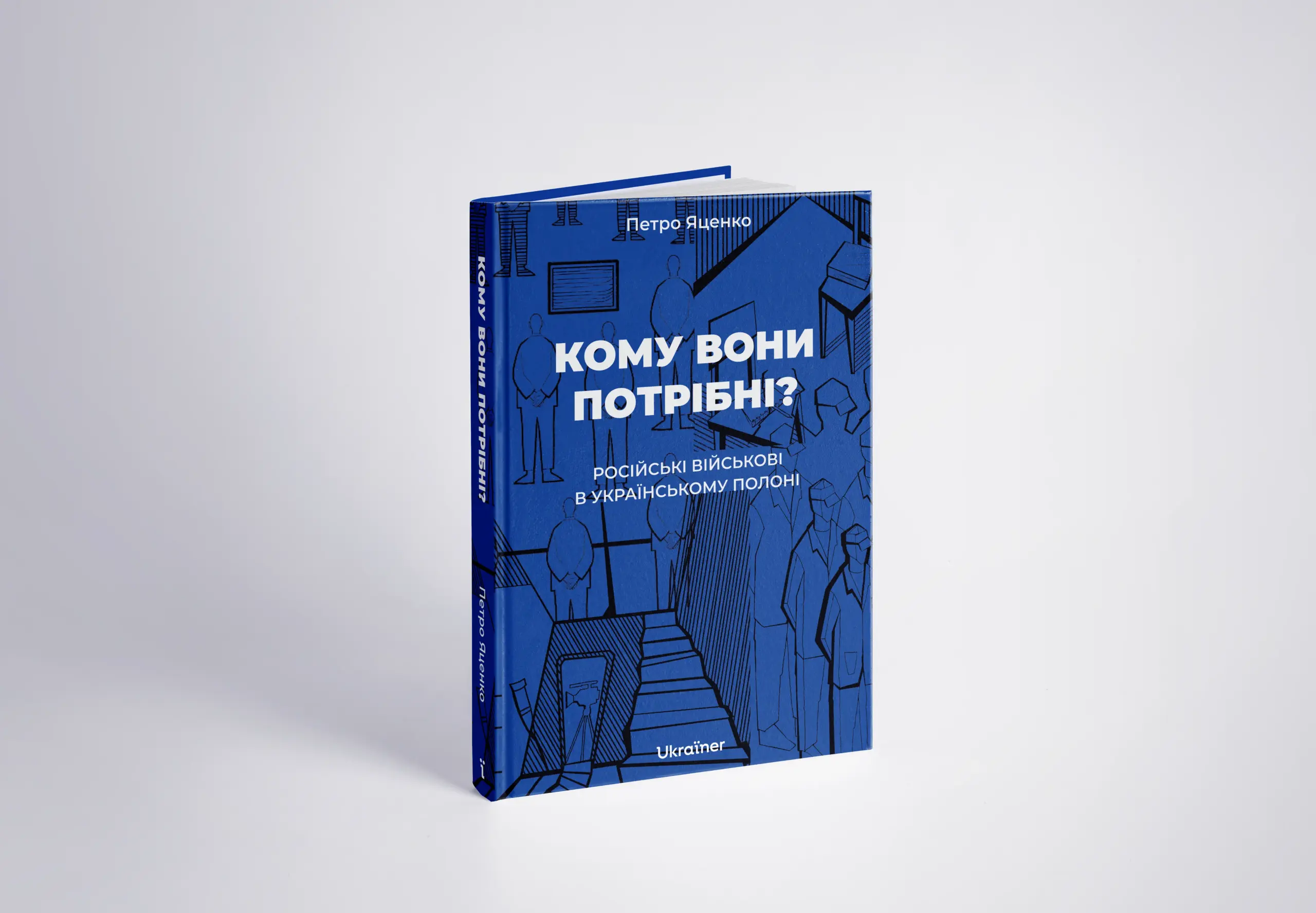


“About the war in Ukraine” selection brings together books that document our experience of the full-scale invasion — from the first days of occupation and city defenses to everyday frontline routines and the consequences of war crimes. These are not abstract texts about war, but voices of people who lived it: military personnel, civilians, volunteers, journalists, and writers working at the forefront of memory. Through reports, essays, and fictional stories, these books help understand what it truly means to live in a country where war is ongoing here and now.
At the core of the selection are the reportage publications of Ukraїner. “Деокупація. Історії опору українців. 2022” and its English version “De-occupied: Stories of Ukrainian Resistance” tell about trips to de-occupied cities and villages — from Kyiv region to the Kherson region — in the chronology of the liberation of Ukrainian territories. They record the experience of people who survived occupation, lost their homes, but did not surrender and resisted — in the army, underground, and volunteer initiatives. These books are important both as documents of the time and as a bridge for the international audience seeking to understand this war beyond news summaries.
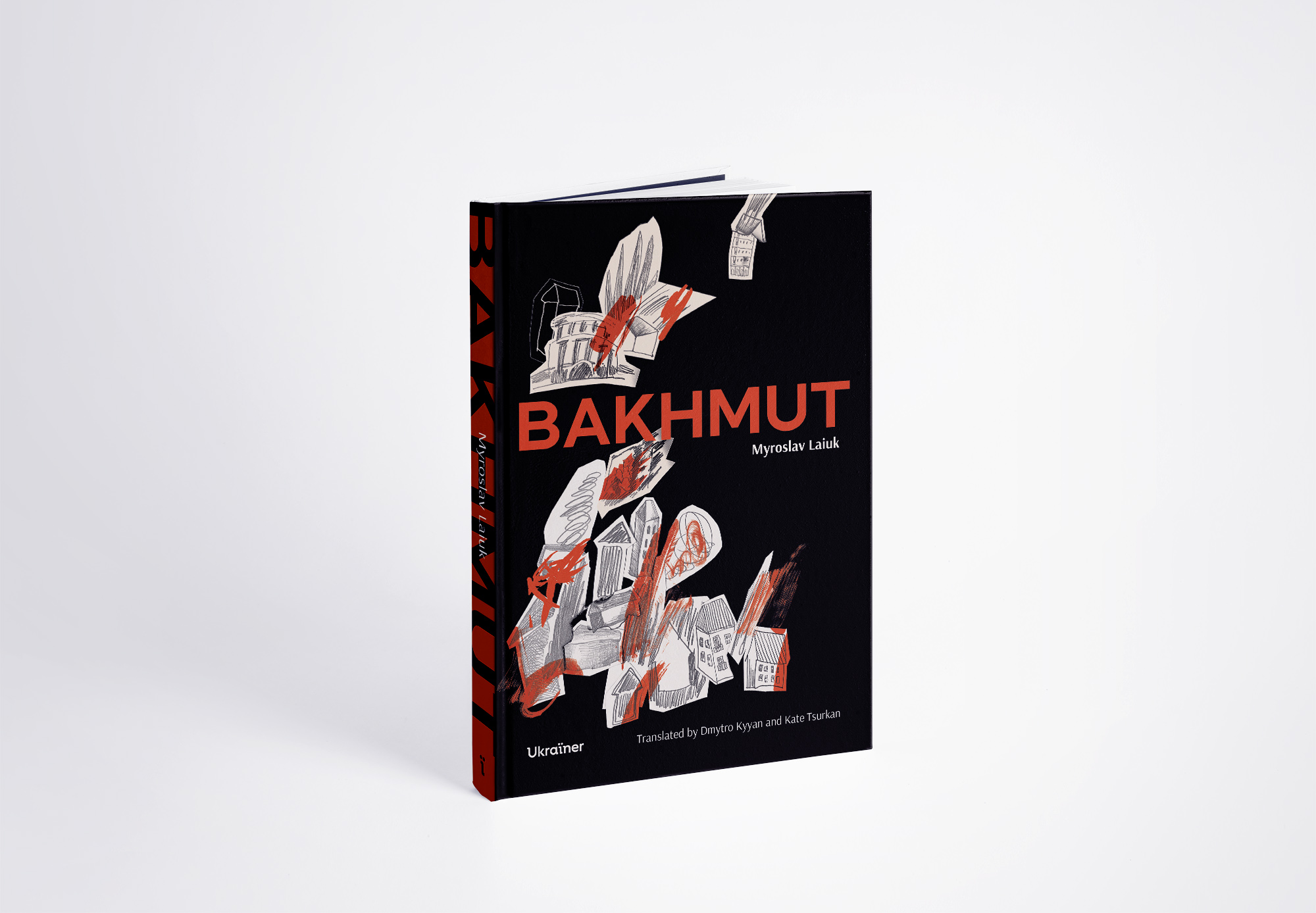
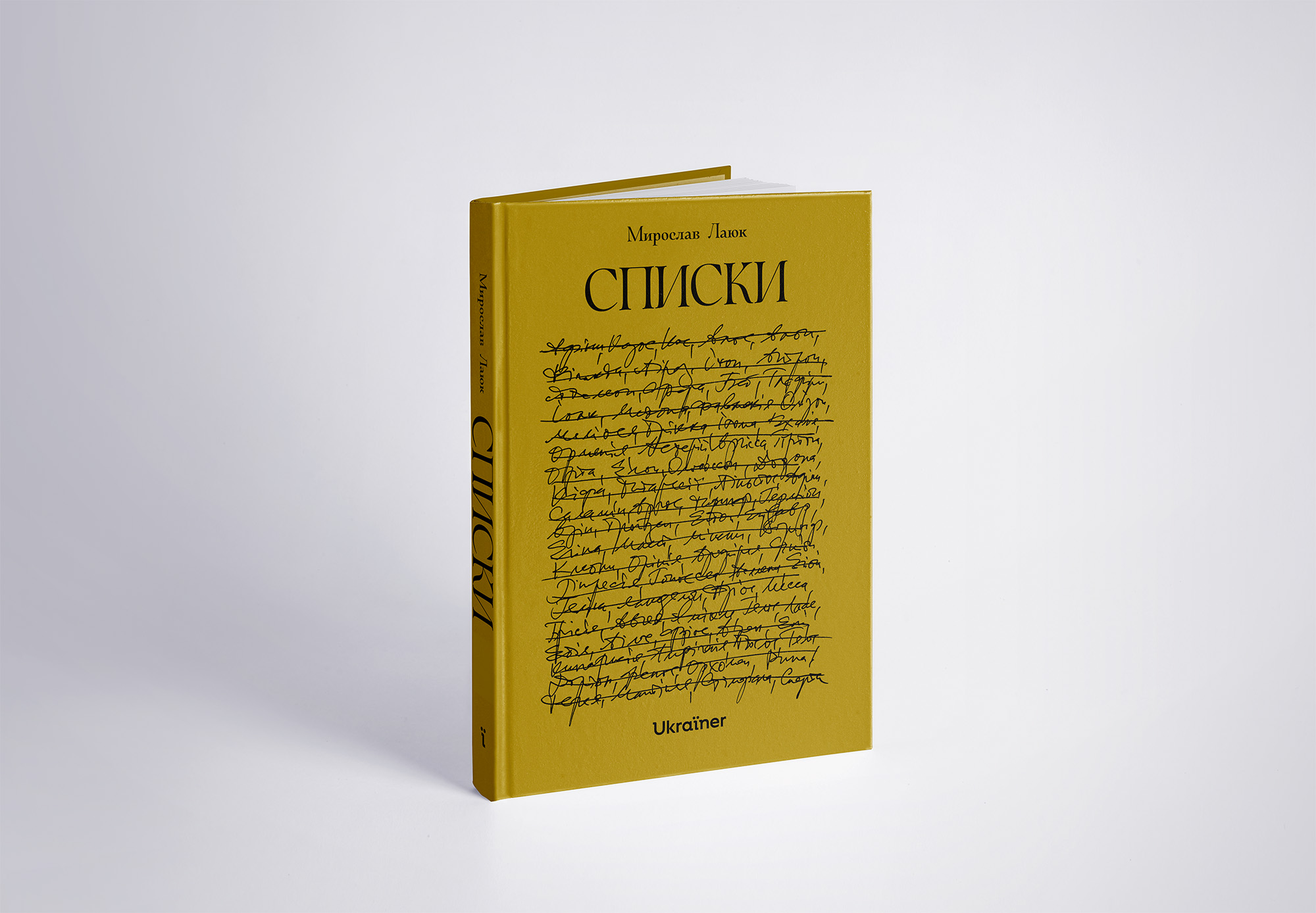
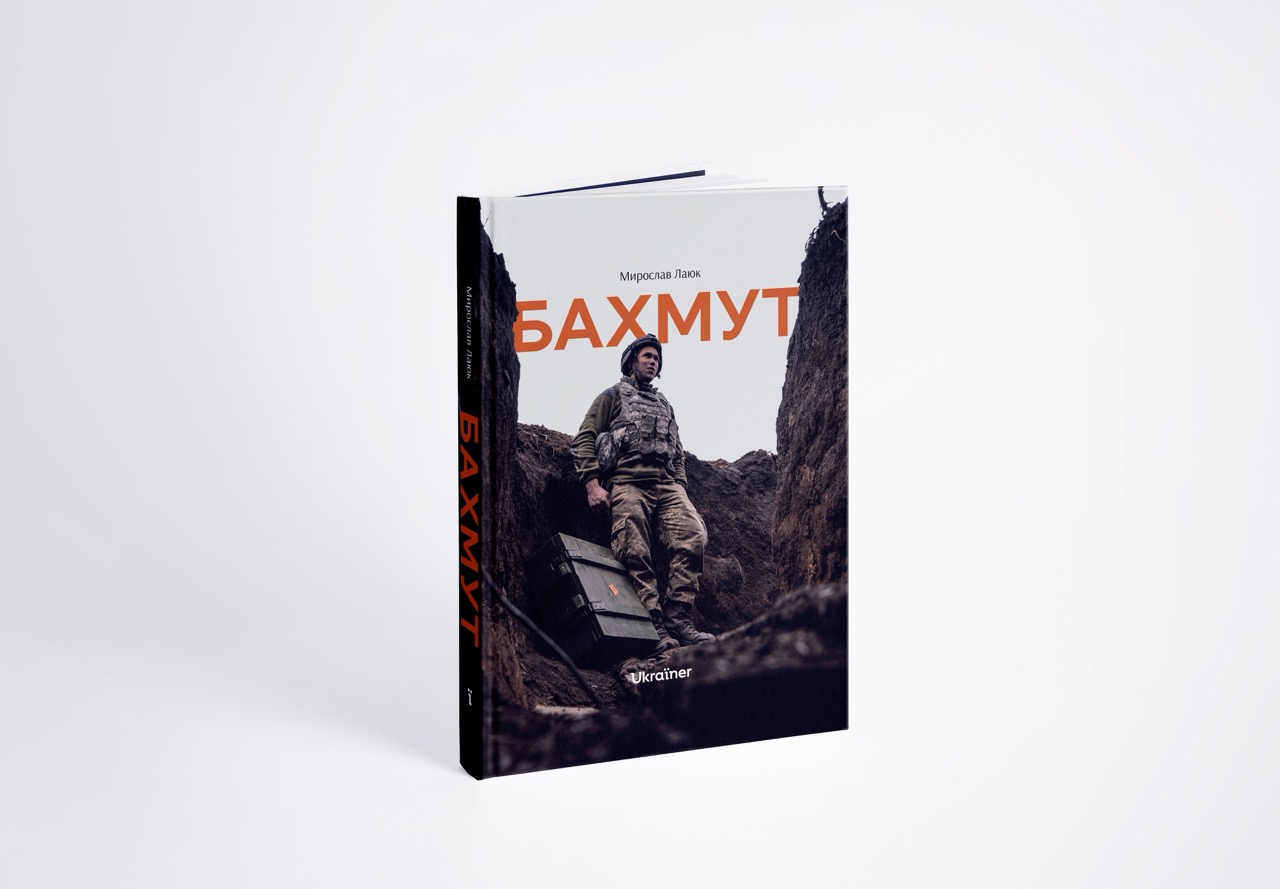
A separate line in the selection is formed by Myroslav Laiuk’s books. “Bakhmut” (in Ukrainian and English) combines reports and essays about the fortress city and the people who stayed under shelling, defended it, and tried to preserve familiar meanings amid the ruins. “Списки” (Lists) is an honest literary chronicle of losses: a book about names that must not dissolve into statistics, about memory that becomes part of our responsibility toward the fallen and those who continue the fight. These texts are painful to read but essential for truthful discourse about the war.
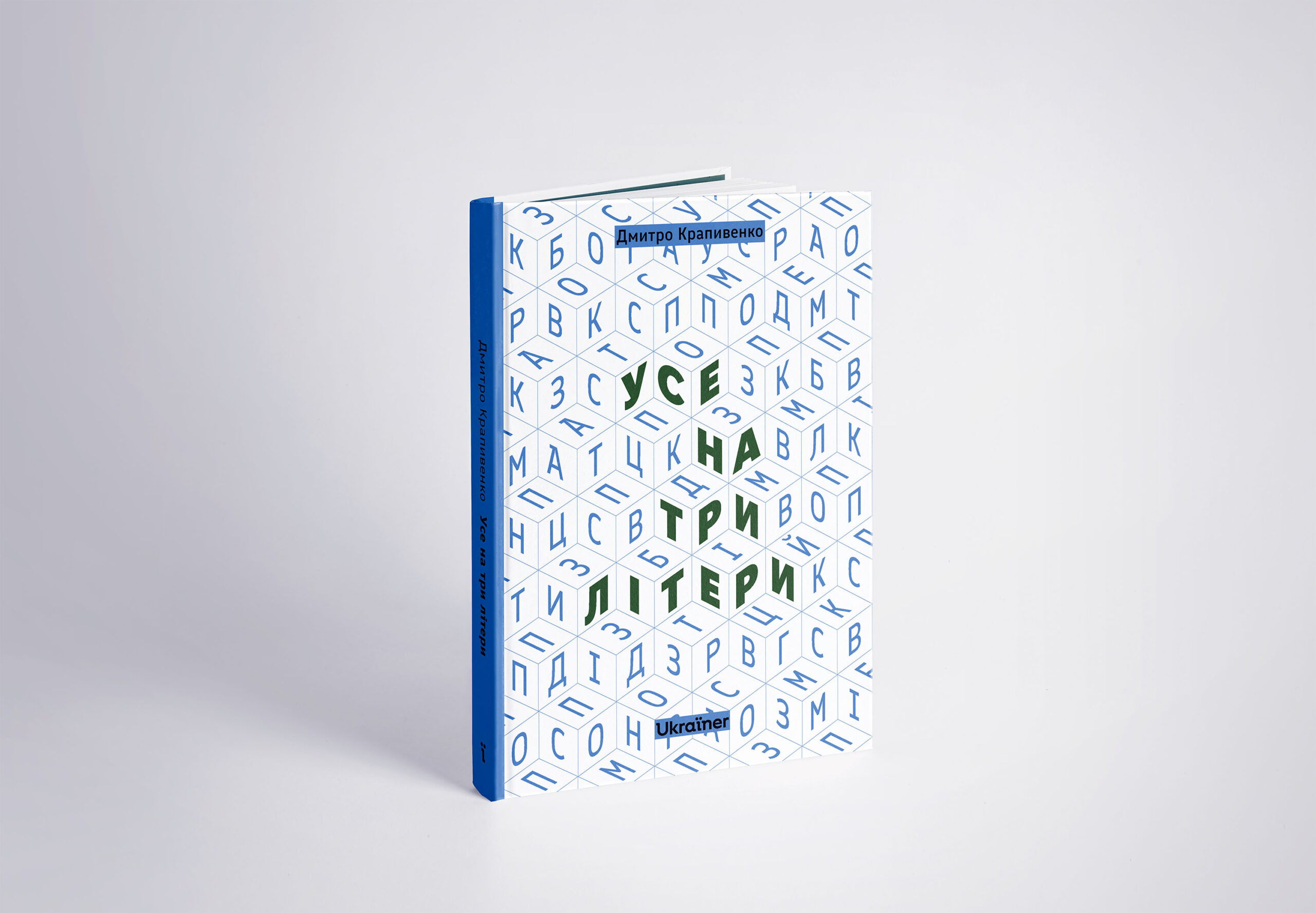
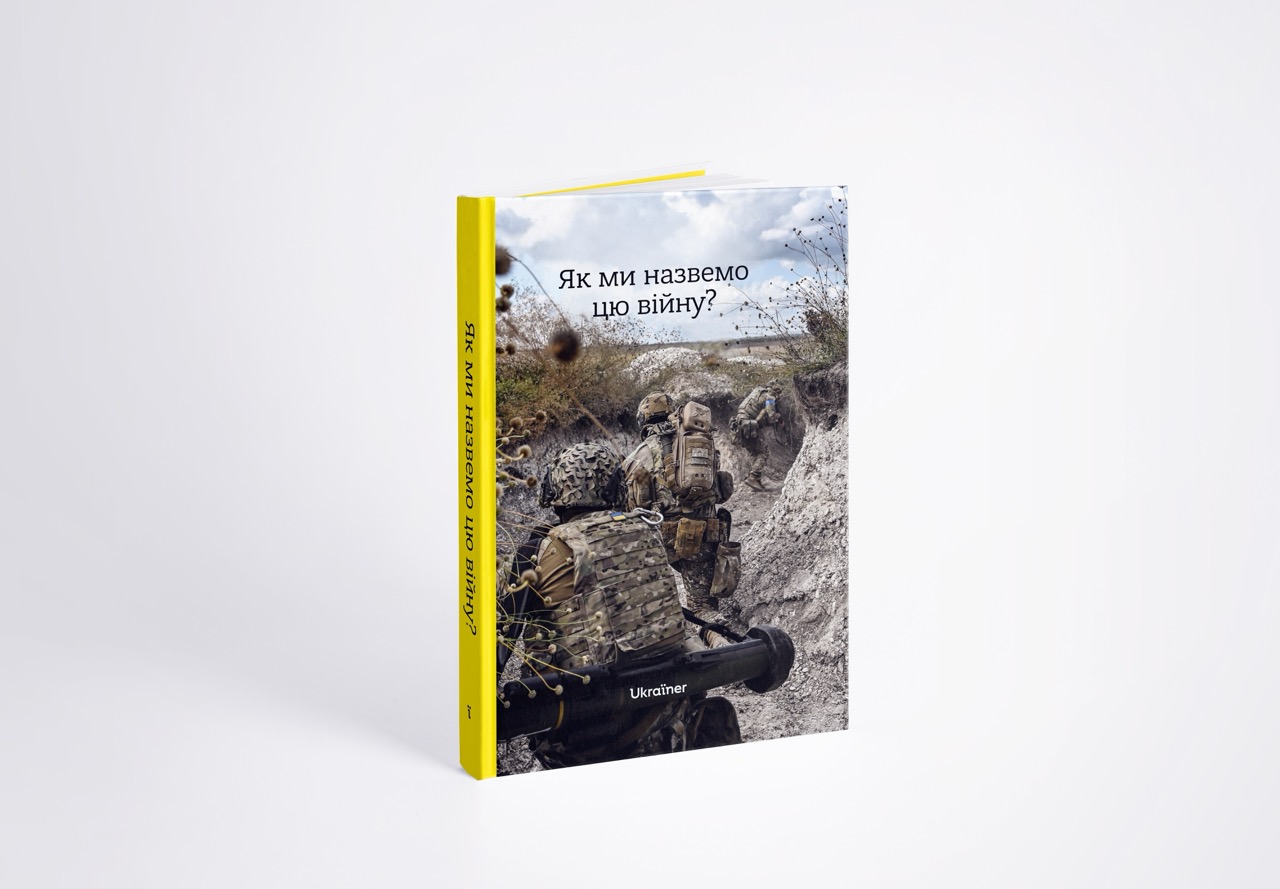
Other books reveal the war from different angles. “Усе на три літери” (All by three letters) by Dmytro Krapyvenko is frontline essays about army everyday life, where dry abbreviations hide fatigue, dark humour, fear and the indomitable spirit of Ukrainian soldiers. The publication “Як ми назвемо цю війну” (What Shall We Call This War) gathers texts helping to comprehend the language and names of this reality — from words to symbols we use to describe aggression and resistance. And the book “Облога Маріуполя” (The Siege of Mariupol) by photojournalist Evgeniy Maloletka takes the reader back to the first 20 days of the city’s defense: a story about survival, journalists’ work under siege, and how the world learned the truth about crimes against civilians.
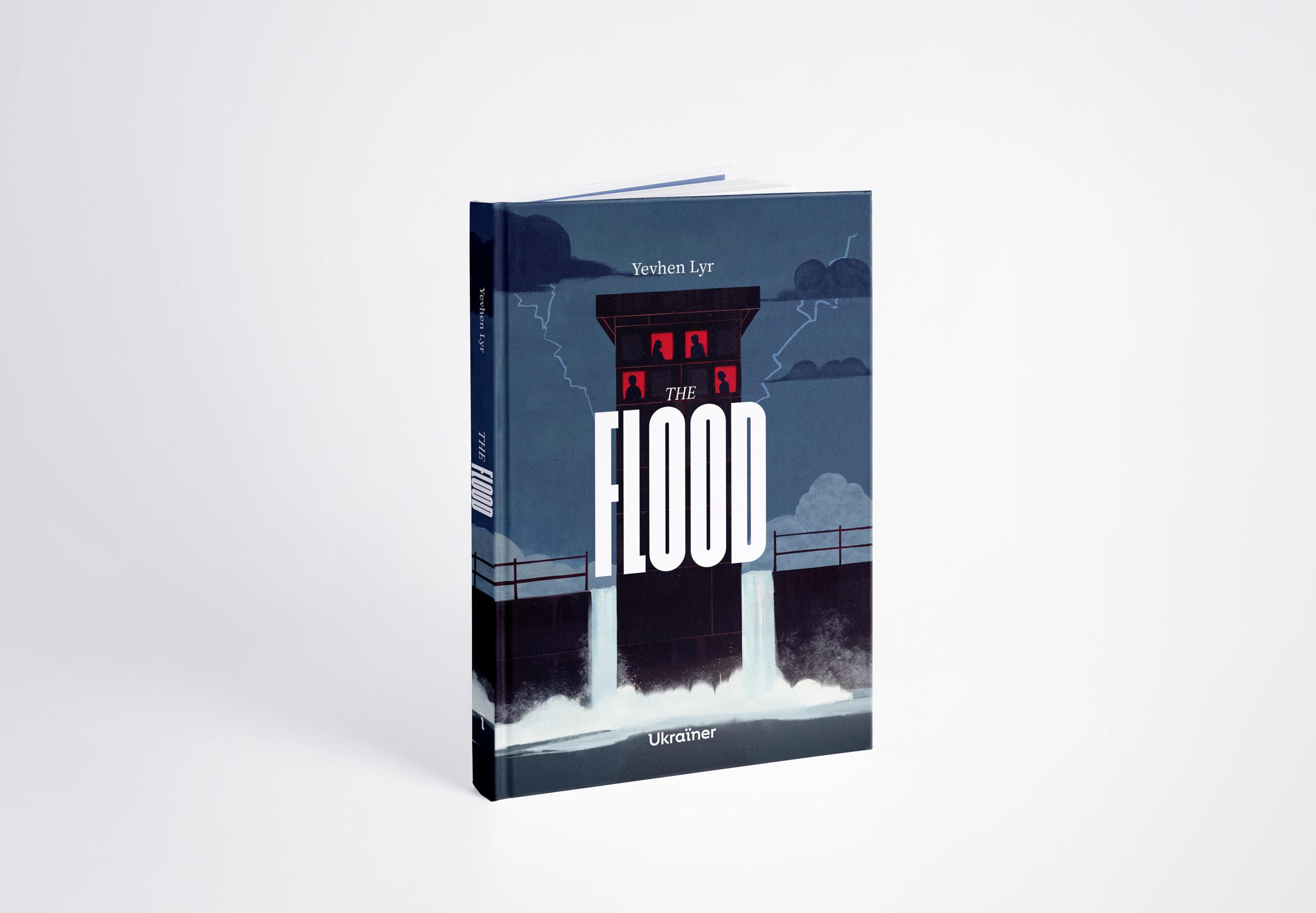
The English-language editions in this selection — “De-occupied: Stories of Ukrainian Resistance“, “Bakhmut”, and “The Flood” — are aimed at those reading about the war from abroad and seeking living testimonies rather than general analytics. “The Flood” tells of the catastrophe after the destruction of the Kakhovka HPP and about people whose homes and lives were destroyed by the man-made flood, yet who have not lost the ability to rebuild and help others. Together, these books form a complete mosaic: from de-occupied villages and towns of Donetsk and the South to frontline dugouts, evacuation routes and rivers that became front lines.
The “About the war in Ukraine” selection will be useful for anyone wanting a deeper understanding of contemporary Ukrainian history: researchers, journalists, volunteers, educators, readers in Ukraine and abroad. These are books that can be used for studying, public discussions, working with memory — and simply to see the concrete faces and voices behind the word “war.” They help name things rightly, document war crimes, support those fighting and surviving occupation, and prevent the world from growing tired of the Ukrainian topic.


